
Remember that all our blog posts are hand-made by real locals, trying to help tourists and people living in Italy enjoy the most of everything
📍 Quick Navigation
Spring in Italy is pure magic. While the rest of Europe is still shaking off winter’s chill, April and May transform the Italian peninsula into a riot of color, warmth, and life. The temperatures hover between 15°C and 22°C (59°F-72°F), the tourist crowds haven’t reached their summer peak yet, and prices remain reasonable. After living in Italy for years and traveling its length and breadth during spring season, I can tell you this is genuinely the best time to visit our beautiful country.
If you’re planning a trip to Italy in spring 2026, you’re making an excellent choice. The shoulder season offers that perfect balance: pleasant weather without the suffocating August heat, manageable crowds at major attractions, and locals who are actually happy to see tourists instead of overwhelmed by them. Let me share with you the absolute best Italian cities to visit in April and May, based on real local experience and insider knowledge.
Why Spring is Italy’s Best-Kept Secret
🌡️ Spring Weather at a Glance
(59-68°F)
(64-75°F)
8-10 days/month
Before we dive into specific cities, let’s talk about why spring deserves your attention. Summer gets all the hype, but honestly, visiting Italy between April and May gives you advantages that peak season simply can’t match.
First, the weather. Italian spring is consistently pleasant across most of the country. You’ll enjoy warm days perfect for walking tours and exploring, but without the oppressive heat that makes you seek air conditioning every two hours. The evenings are cool enough to wear a light jacket while sipping wine at an outdoor café, which is exactly the Italian experience you’re dreaming of.
Second, the crowds. Major attractions like the Colosseum, Vatican Museums, and Uffizi Gallery are significantly less crowded. You’ll actually be able to appreciate the art and architecture without being crushed by tour groups. Restaurants have tables available, hotels offer better rates, and locals have time to chat with you instead of rushing through transactions.
Third, nature. Spring brings Italy’s countryside to life. Wildflowers bloom across Tuscany’s hills, cherry blossoms paint cities pink, and the Mediterranean gardens explode with color. If you’re interested in photography or simply appreciating natural beauty, spring offers landscapes that summer’s burnt grass and winter’s bareness can’t compete with.
Finally, festivals and events. Italians celebrate spring with countless local festivals, Easter traditions, Liberation Day commemorations, and outdoor markets that only appear when the weather turns pleasant. You’ll experience authentic Italian culture that many summer tourists completely miss.
Florence: Renaissance Glory in Full Bloom

Florence in spring is something special. The city that gave the world the Renaissance seems to bloom alongside the season. April and May bring perfect weather for exploring the historic center on foot, which is exactly how Florence should be experienced.
Start your days early at the Uffizi Gallery before the crowds arrive. Spring morning light through the gallery windows illuminates Botticelli’s “Birth of Venus” beautifully. After absorbing Renaissance masterpieces, walk to the nearby Ponte Vecchio where jewelry shops have been operating since the 16th century.
The real magic of Florence in spring happens outdoors. Climb up to Piazzale Michelangelo during golden hour and watch the sunset paint the Duomo’s terracotta dome in warm orange tones. The Boboli Gardens behind Pitti Palace explode with flowers in April, offering shaded walks through manicured Renaissance gardens that feel worlds away from the busy streets below.
Florence’s food scene shines particularly bright during spring. Local markets overflow with fresh fava beans, artichokes, and strawberries. Try “pappa al pomodoro” made with the season’s first ripe tomatoes, or sample “schiacciata fiorentina,” a traditional Florentine dessert served only during Carnival and spring.
Day trips from Florence are spectacular in spring. The Chianti wine region is stunning with blooming wildflowers between the vineyards, and the hilltop towns like San Gimignano and Volterra aren’t overrun with tour buses yet. If you have a rental car, exploring Tuscany’s countryside in April and May is genuinely unforgettable.
Getting Around: Florence’s historic center is compact and walkable. The city also has excellent public transport connections to other Italian destinations via Trenitalia and Italo trains. The Florence Airport connects to major European cities with increasing frequency during spring season.
For those interested in Florence’s nightlife and social scene, check out our guide to La Movida Napoletana which also covers tips applicable to Florence’s evening culture. If you’re planning a broader Italian trip, our article on What Cities Are Worth Visiting in My Italy Trip? provides excellent context for building your itinerary.
Rome: The Eternal City Without the Eternal Crowds
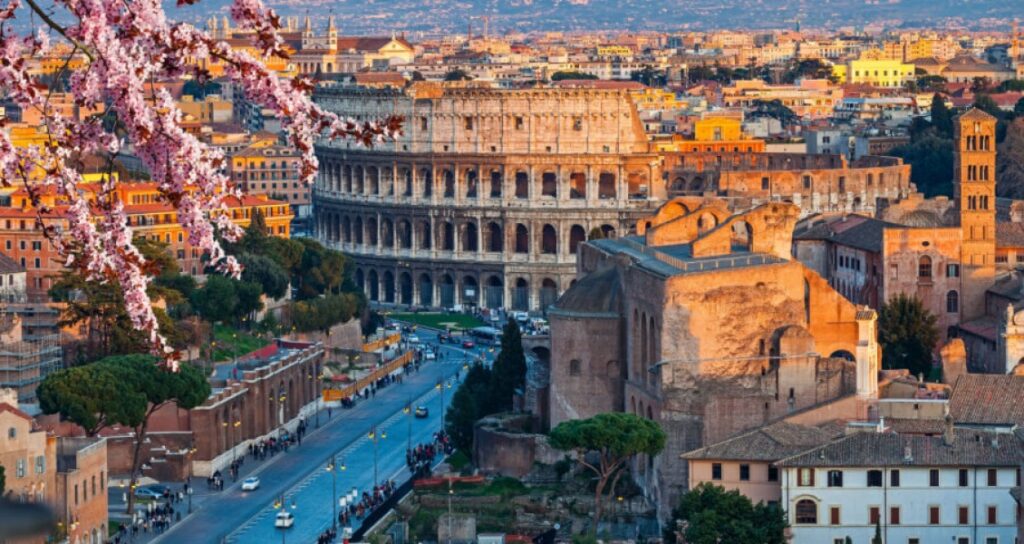
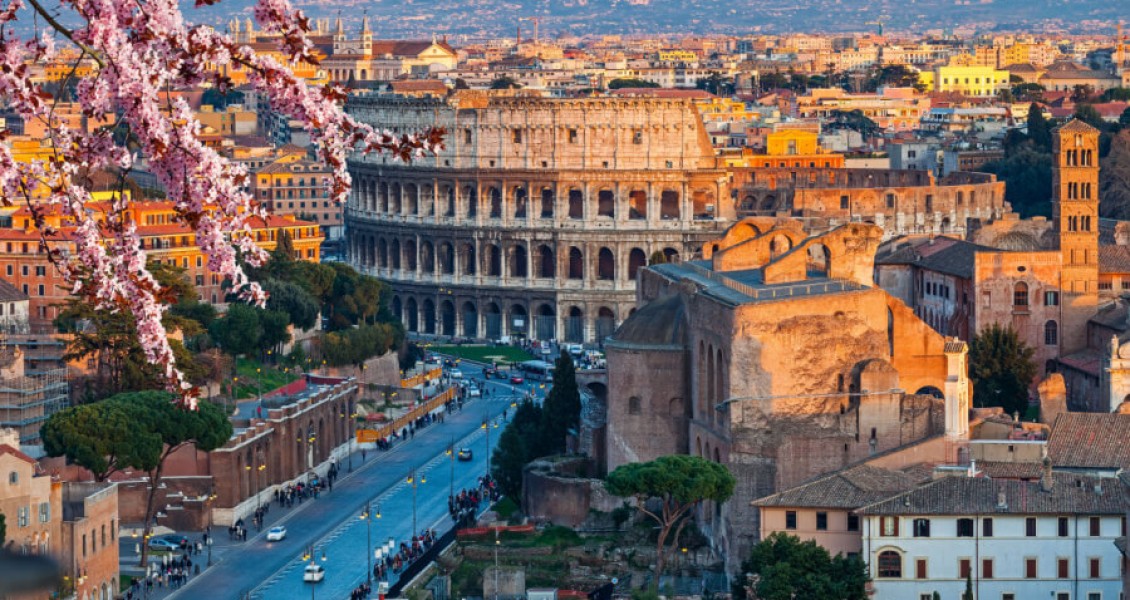
Rome in April and May is substantially more enjoyable than summer’s overwhelming tourist chaos. The weather sits comfortably between 17°C and 23°C, perfect for the extensive walking that exploring Rome requires.
The Colosseum and Roman Forum are far more manageable in spring. You’ll still need to book tickets in advance, but you won’t be standing in the sun for hours or fighting crowds for photo opportunities. Early morning visits are particularly magical when spring light illuminates the ancient stones and you can actually hear the history around you.
The Vatican Museums deserve a full day. Book the earliest entry time possible and head straight to the Sistine Chapel before the crowds arrive. Spring’s softer light through the gallery windows enhances the artwork beautifully, and you’ll have space to actually appreciate Michelangelo’s genius without someone’s selfie stick in your face.
Beyond the major monuments, Rome’s neighborhoods come alive in spring. Trastevere’s cobblestone streets are perfect for afternoon wandering, with outdoor trattorias setting up tables under blooming wisteria. The Testaccio market overflows with seasonal produce, and locals gather in neighborhood piazzas for evening aperitivi without the tourist hordes.
Rome’s parks and gardens are spectacular in spring. Villa Borghese offers shaded walks through manicured grounds, boat rides on the small lake, and the exceptional Galleria Borghese museum housing Bernini’s sculptures. The Aventine Hill provides stunning views over the city through blooming orange trees, and you can peek through the famous keyhole at the Knights of Malta gate for a perfectly framed view of St. Peter’s dome.
Easter in Rome is special if your timing aligns. The Pope’s Easter Sunday blessing in St. Peter’s Square draws crowds, but the various Holy Week ceremonies offer authentic religious traditions dating back centuries. Even if you’re not religious, the spectacle and history are remarkable.
Food in Rome during spring features seasonal specialties you won’t find in summer. Try “carciofi alla romana” (Roman-style artichokes) and “fava beans with pecorino cheese,” a traditional spring antipasto. The season’s first puntarelle (chicory shoots) appear in salads, and strawberries from nearby farms are spectacularly sweet.
Important Notes: Rome is a big city with typical big-city safety considerations. Our comprehensive guide Is Naples Safe? offers safety tips that apply to any major Italian city. For navigation help, check our article on transportation in Italian cities, which covers strategies applicable beyond just Naples.
If you’re debating between destinations, our article Should I Visit Rome or Naples? provides detailed comparison to help you decide. And if you’re interested in Rome’s cannabis culture, we’ve covered that extensively in A little talk about weed in Rome, Italy.
Venice: Floating City Before Summer Swells
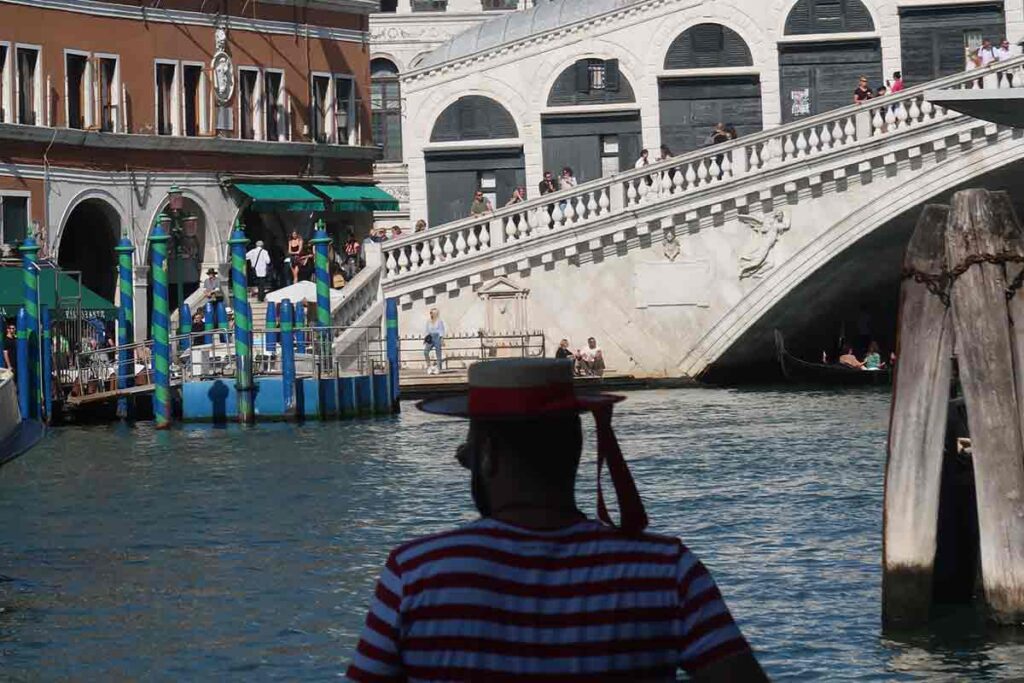
Venice in spring is transcendent. The city that seems impossible even in photos becomes almost dreamlike when April’s soft light reflects off the canals and May’s flowers spill from window boxes across ancient facades.
The crucial advantage of spring Venice is the crowd level. This city transforms from magical to nightmarish when overrun with tourists, which happens reliably every summer. In April and May, you can actually walk through San Marco Square without being crushed, enjoy a coffee at a canalside café without fighting for space, and photograph the Rialto Bridge without two hundred people in your frame.
Start your Venice exploration early. The city wakes slowly, and mornings offer that mystical fog-over-canals atmosphere that made Venice famous. The Doge’s Palace opens at 9 AM and is stunning in morning light. Book your ticket online to skip lines, and don’t miss the Secret Itineraries tour that takes you through hidden chambers and across the Bridge of Sighs.
Venice’s neighborhoods beyond San Marco are where the real city lives. Cannaregio offers authentic neighborhood life with local bakeries, small restaurants, and the beautiful Jewish Ghetto with its tall buildings and fascinating history. Dorsoduro houses the Peggy Guggenheim Collection and the stunning Basilica di Santa Maria della Salute, plus excellent cafés frequented by university students rather than tourists.
The islands around Venice are spectacular in spring. Murano’s glass factories offer demonstrations and shopping opportunities without summer’s crushing crowds. Burano’s impossibly colorful houses photograph beautifully under spring’s clear skies, and the island’s lace shops and seafood restaurants provide authentic Venetian culture. Torcello, the most remote island, offers peaceful Byzantine mosaics and gardens that bloom spectacularly in May.
Venice’s food scene deserves serious attention. Spring brings “moeche” (soft-shell crabs) and white asparagus from nearby farms to restaurant menus. Traditional “bacari” (wine bars) serve “cicchetti” (small plates) that showcase seasonal ingredients. The Rialto Market overflows with fresh produce, seafood, and local specialties every morning except Sunday.
Getting There: Venice is well-connected via Venice Airport, and the train station links directly to all major Italian cities via Trenitalia. The ACTV vaporetto (water bus) system is the primary way to navigate Venice, and a multi-day pass makes economic sense if you’re staying several days.
For broader Italian travel planning, our guide on What Cities Are Worth Visiting in My Italy Trip? helps contextualize Venice within a larger itinerary. And our article on driving in Italy and ZTL zones is crucial if you’re planning to combine Venice with other destinations by car.
Naples: Southern Warmth and Authentic Energy

🌿 Planning Your Perfect Italian Spring?
Join our Telegram community for real-time travel advice, insider tips, and connect with locals across Italy. Get recommendations on everything from hidden restaurants to the best cannabis-friendly spots.
Naples in spring is when the city truly shines. April and May bring comfortable temperatures between 18°C and 24°C, perfect for exploring this chaotic, beautiful, utterly authentic Southern Italian city. Naples receives far fewer tourists than Rome or Florence, which means you’ll experience real Italian life rather than a tourist-oriented version.

The historic center is a UNESCO World Heritage site with narrow streets, baroque churches, and underground Greek and Roman ruins. Spaccanapoli, the street that literally splits Naples in half, is the city’s beating heart. Walk it in the morning when shops open, artisans work in tiny studios, and locals buy fresh bread from bakeries operating in the same locations for generations.
The National Archaeological Museum houses most of the treasures from Pompeii and Herculaneum, including stunning mosaics and frescoes that survived Vesuvius’ eruption. It’s substantially less crowded than Pompeii itself, and the air conditioning is a blessing even in spring’s mild weather.
Naples’ pizza culture is legendary for good reason. This city invented pizza, and eating here means experiencing the original rather than copies. Try “pizza fritta” (fried pizza) from street vendors, then compare it to traditional wood-fired “pizza Margherita” at historic pizzerias like Da Michele or Sorbillo. Spring’s mild weather makes outdoor eating particularly pleasant, and Neapolitans pack outdoor tables from April onward.
The Amalfi Coast is accessible from Naples and spectacular in spring. April and May offer perfect weather without summer’s crowds or heat. Day trips to Positano, Amalfi, or Ravello are easy via train and bus, or you can explore more thoroughly over several days. The coastal roads are less congested, hotels are affordable, and the sea is warming enough for brave swimmers by late May.
Pompeii and Herculaneum archaeological sites are far more manageable in spring. Summer’s heat makes walking through these exposed ancient cities genuinely difficult, while April and May offer comfortable temperatures for exploring. Both sites deserve several hours minimum, and booking tickets online avoids entrance queues.
Important Context: Naples has an undeserved reputation for danger that frustrates locals. The city is generally safe for tourists who exercise normal urban precautions. Our detailed guide Is Naples Safe? addresses common concerns honestly. For getting around, check our comprehensive Naples Transportation Guide covering metro, buses, and funiculars.
For neighborhood-specific insights, our Naples Neighborhoods Guide 2026 covers where to stay and explore. If you’re interested in Naples’ nightlife, La Movida Napoletana provides current recommendations. And for those curious about cannabis culture, our guide How to buy weed in Naples and not get scammed offers honest, practical information.
Milan: Design Capital and Northern Gateway
Milan might not top typical tourist lists, but spring makes Italy’s fashion and design capital genuinely appealing. April and May bring comfortable temperatures between 15°C and 22°C, perfect for exploring this sophisticated, wealthy Northern Italian city.
The Duomo of Milan dominates the city center with its elaborate Gothic facade and forest of spires. Book tickets online to climb to the roof terraces for stunning views over Milan and, on clear days, the Alps beyond. Spring’s mild weather makes the climb pleasant, and you’ll appreciate being able to walk among the marble spires without summer’s heat or winter’s cold.
Leonardo da Vinci’s “Last Supper” at Santa Maria delle Grazie requires advance booking, sometimes weeks ahead. This masterpiece deserves the effort. Spring light through the refectory windows illuminates the painting beautifully, and your fifteen-minute viewing slot will feel almost meditative compared to the rushed chaos of trying to visit in peak season.
Milan’s fashion district, the Quadrilatero d’Oro, showcases international luxury brands in historic palazzos. Even if you’re not shopping, walking these elegant streets and observing Milan’s famously stylish residents is entertaining. The Galleria Vittorio Emanuele II, Italy’s oldest active shopping gallery, is architecturally stunning and worth visiting regardless of your shopping intentions.
The Navigli district comes alive in spring. These historic canals, once used for commerce, are now lined with restaurants, bars, and boutiques. Aperitivo hour here is excellent, with outdoor seating appearing in April and staying until October. Join locals for early evening drinks and the generous buffets that accompany them.
Milan’s proximity to northern Italian destinations makes it an excellent base. The stunning Lake Como is an hour away by train, offering spectacular Alpine scenery and beautiful waterfront towns. The Franciacorta wine region produces Italy’s finest sparkling wines and is easily accessible for day trips.
Getting There and Around: Milan has two airports, Malpensa and Linate, both well-connected to the city center. The ATM Metro system is efficient and reaches most tourist areas. Milan is also Italy’s main train hub with connections to all major cities via Trenitalia and Italo.
For cannabis information specific to Milan, check our comprehensive guide Finding Weed in Milan: The Complete 2025 Guide. And our article on Essential Tips for Tourists in Italy covers practical advice applicable to all Italian cities including Milan.
Cinque Terre: Coastal Villages at Their Best
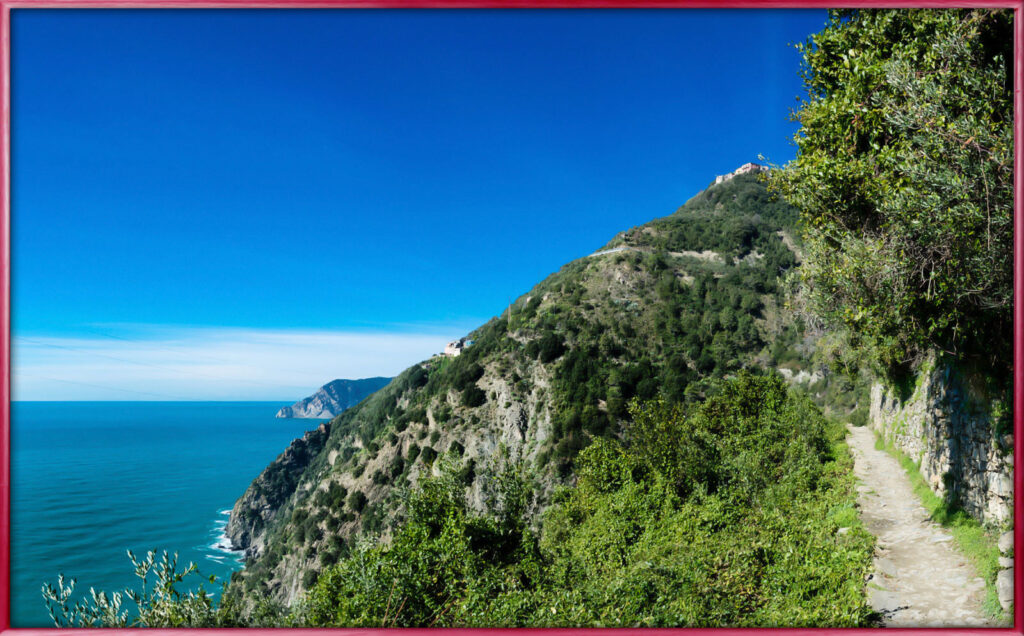
The Cinque Terre, five impossibly picturesque villages clinging to the Ligurian coast, are spectacular in spring. April and May offer the region’s best weather, with comfortable temperatures, blooming wildflowers along hiking trails, and manageable crowds before summer’s overwhelming influx.
The five villages, Monterosso al Mare, Vernazza, Corniglia, Manarola, and Riomaggiore, are connected by train and hiking trails. Spring is ideal for both. The famous Sentiero Azzurro (Blue Trail) linking all five villages reopens in spring after winter maintenance, and hiking it in April or May means comfortable temperatures, stunning views, and wildflowers along the cliffside paths.
Monterosso, the northernmost and largest village, offers the region’s only significant beach. Late May sees water temperatures rising enough for swimming, though you’ll need some tolerance for cool water. The old town’s narrow streets hide excellent restaurants specializing in Ligurian seafood and pesto, which originated in this region.
Vernazza, arguably the most beautiful village, centers around a small harbor with colorful buildings rising up the hillside. Arrive early to photograph the village before day-trippers arrive by train, then climb to the medieval Belforte tower for stunning views. The harbor’s restaurants serve fresh seafood with tables right on the water.
Corniglia sits atop a cliff, reached by climbing 382 steps from the train station or taking a shuttle bus. This elevation means it’s the quietest village, and locals still outnumber tourists even in spring. The wine terraces surrounding Corniglia produce excellent white wines that pair beautifully with the region’s seafood.
Manarola offers the iconic postcard view of Cinque Terre with colorful houses stacked on cliffsides above the small harbor. The village’s swimming spot, Punta Bonfiglio, has crystal-clear water perfect for spring swimming if you’re brave. Sunset from here, watching the last light paint the village orange and pink, is genuinely magical.
Riomaggiore, the southernmost village, has a working harbor where fishing boats still operate alongside tourist boats. The Via dell’Amore, a romantic cliffside path to Manarola, has been closed for years due to rockfalls but other trails remain open. The village’s bars and restaurants offer excellent local wine and seafood at prices lower than more tourist-oriented Vernazza.
Practical Information: Base yourself in La Spezia for better hotel prices and excellent train connections to all five villages. The Cinque Terre Card covers trains between villages plus hiking trail access. Spring weekends see crowds, so visit midweek if possible. Our guide Finding Weed in Cinque Terre provides cannabis-specific information for those interested.
Bologna: Food Capital and Hidden Gem
🍓 Spring Seasonal Delicacies to Try
Bologna rarely appears on first-time Italy itineraries, which is exactly why it’s worth visiting. This university city combines medieval architecture, world-class cuisine, and authentic Italian culture without overwhelming tourist crowds even in spring’s pleasant weather.
The historic center revolves around Piazza Maggiore, dominated by the massive unfinished Basilica di San Petronio. The Basilica represents Bologna’s ambition; it was designed to be larger than St. Peter’s in Rome until the Pope intervened. The piazza comes alive in spring with outdoor cafés, student gatherings, and local events.
Bologna’s nickname, “La Dotta” (The Learned), comes from Europe’s oldest private university, founded in 1088. The university presence keeps the city young and energetic, with excellent cafés, affordable restaurants, and vibrant nightlife. The Quadrilatero district, Bologna’s medieval market area, offers food shopping and eating that showcases why Emilia-Romagna is Italy’s culinary heartland.
The city’s 38 kilometers of porticoes (covered walkways) make Bologna pleasant even during spring rain showers. The longest stretch climbs to the Santuario della Madonna di San Luca, offering city views and interesting architecture. Walking under these historic porticoes feels distinctly Bolognese, connecting you to centuries of students and locals who used the same paths.
Bologna’s two towers, Asinelli and Garisenda, lean dramatically like miniature versions of Pisa’s famous tower. Climb the 498 steps of Torre degli Asinelli for stunning views over the city’s terracotta rooftops and surrounding countryside. Spring’s clear air offers visibility to the Apennine mountains.
Food in Bologna deserves serious attention. This is the birthplace of “tagliatelle al ragù” (the real Bolognese sauce), “tortellini in brodo,” and “mortadella.” The meat markets in the Quadrilatero display impressive culinary tradition, and local restaurants serve authentic regional cuisine rather than tourist-oriented Italian clichés. Take a cooking class to learn traditional pasta-making techniques from local experts.
Getting Around: Bologna’s Marconi Airport connects to European cities, and the train station is a major hub on Italy’s high-speed rail network. The compact historic center is walkable, with buses connecting outlying areas. For broader travel planning, our article on cities worth visiting in Italy provides context for incorporating Bologna into your itinerary.
For those interested in Bologna’s cannabis scene, our guide A Complete Guide to Finding Weed in Bologna: 2025 Insider’s Guide covers everything you need to know.
Practical Spring Travel Tips for Italy
Important: Easter 2025 Dates
⚠️ Book accommodations and trains 2-3 weeks in advance during these periods. Hotels fill quickly and prices increase significantly.
Planning spring travel to Italy requires some specific considerations beyond typical tourist advice. Here’s what actually matters based on years of living here and helping tourists navigate the country.
Weather and Packing: April and May are transitional months. Expect daytime temperatures between 15°C and 23°C, but evenings can cool significantly. Pack layers: light sweaters, a rain jacket, comfortable walking shoes, and one warmer option for cool evenings. Italians dress more formally than many tourists, so bring at least one nicer outfit for upscale restaurants or evening activities.
Booking and Planning: Spring requires more advance planning than you might expect. Easter week (March 30 – April 6, 2026) and Liberation Day (April 25) are major holidays when Italians travel domestically, filling hotels and trains. Book accommodations and major attractions at least 2-3 weeks ahead during these periods, longer for popular destinations like the Cinque Terre and Amalfi Coast.
Transportation: Italy’s train network via Trenitalia and Italo is excellent. Book high-speed trains in advance for better prices, but regional trains are cheap and don’t require advance booking. Spring traffic is manageable if you’re driving, but city centers have ZTL zones (restricted traffic areas) that will fine you heavily if entered without permits. Our comprehensive guide on Driving in Italy and ZTL restrictions covers everything you need to know.
Money and Costs: Spring shoulder season offers significantly better value than summer. Hotel prices are 20-40% lower outside Easter week and major holidays. Restaurants have space and time to provide better service. Budget roughly €80-120 per person daily for mid-range travel including accommodation, food, local transport, and some attractions.
Festivals and Events: Spring brings numerous local festivals. Research specific events in your chosen cities, particularly around Easter and Liberation Day (April 25). Florence’s “Scoppio del Carro” (Explosion of the Cart) on Easter Sunday is spectacular. Venice has its Biennale art exhibition with spring openings. Naples celebrates San Gennaro’s miracle on the first Saturday in May.
Health and Safety: Italy is generally very safe for tourists. Standard precautions apply in crowded tourist areas where pickpockets operate. Carry copies of important documents separately from originals. Pharmacies (marked with green crosses) are well-stocked and pharmacists can provide medical advice for minor issues. Emergency number is 112.
Cannabis and Italian Law: Italy’s cannabis laws are complex and changing. Possession of small amounts is decriminalized but still illegal, with potential administrative penalties. Our articles covering cannabis laws in Italy provide detailed information. Be discreet, respect local laws, and understand that police do enforce these regulations, particularly in tourist areas.
For general Italian travel advice, our Essential Tips for Tourists in Naples covers information applicable nationwide. And our guide to avoiding scams in Italy helps protect you from common tourist-targeting schemes.
❓ Frequently Asked Questions: Spring in Italy
Both months are excellent, but they offer slightly different experiences. April has slightly cooler temperatures (15-20°C) and occasional rain, but also fewer crowds and lower prices. May offers warmer weather (18-24°C), more sunshine, and is ideal if you want near-summer conditions without peak season crowds. If you’re interested in Easter celebrations, April is your choice. For swimming and outdoor activities, May is better.
Spring is significantly less crowded than summer, except during Easter week. Major attractions like the Colosseum, Vatican Museums, and Uffizi Gallery have 30-50% fewer visitors in April-May compared to June-August. Hotels are easier to book, restaurants have available tables, and you’ll actually have space to appreciate the art and architecture. The exception is Easter week (April 13-20, 2025) when Italian families travel domestically.
Pack layers! Bring light sweaters, long-sleeved shirts, a rain jacket, comfortable walking shoes, and one warmer option for cool evenings. Days can be warm (20°C+) but evenings cool significantly. Include: sunglasses, sunscreen, a small umbrella, one nicer outfit for upscale restaurants, and both pants and lighter options. Italians dress more formally than many tourists, so avoid overly casual athletic wear in cities.
Beaches are accessible but water temperatures are cool. In April, sea temperatures range from 14-17°C (57-63°F) – only brave swimmers venture in. By late May, temperatures reach 18-20°C (64-68°F), which is more comfortable but still refreshing. Beach clubs and facilities typically open mid-May. If swimming is your priority, visit from late May onward or head to Sicily and southern Italy where it’s warmer.
For Easter week (April 13-20) and Liberation Day (April 25), book 2-3 weeks minimum in advance. For popular destinations like Cinque Terre, Amalfi Coast, and Venice, book 10-14 days ahead even outside peak periods. High-speed trains offer better prices when booked in advance (up to 3 months). Major attractions like the Uffizi Gallery and Vatican Museums should be booked 1-2 weeks ahead to guarantee your preferred time slot.
Spring offers 20-40% lower prices than summer, except during Easter week. Budget €80-120 per person daily for mid-range travel including accommodation, food, local transport, and attractions. Hotels in Florence, Rome, and Venice are significantly cheaper than summer rates. Restaurant prices remain consistent year-round, but you’ll find better availability and service. Venice is expensive regardless of season, while Naples and Bologna offer excellent value.
Making the Most of Your Spring Italian Adventure
Spring in Italy offers something that summer simply can’t match: the ability to experience this remarkable country at a human pace. You’ll have space to actually appreciate Michelangelo’s David without being crushed by tour groups. Time to sit in a Venetian square with a coffee and watch the city wake up. Opportunity to chat with restaurant owners who aren’t too overwhelmed to share their stories.
The cities covered in this guide, Florence, Rome, Venice, Naples, Milan, Cinque Terre, and Bologna, represent just a fraction of Italy’s springtime appeal. Smaller destinations like Matera, Sicily’s beautiful cities, Sardinia’s stunning coastline, and countless medieval hilltop towns offer equally rewarding experiences with even fewer crowds.
The key to successful spring travel in Italy is embracing flexibility while planning enough to avoid disappointments. Book major accommodations and popular attractions in advance, but leave room for spontaneous discoveries. Some of the best Italian experiences, stumbling upon a neighborhood festival, finding a perfect family-run trattoria, or watching sunset from an unexpected viewpoint, happen when you’re open to serendipity rather than rigidly following an itinerary.
Italy in April and May invites you to experience the country the way locals do: with time to actually taste the food, space to appreciate the art, and opportunity to understand why Italian culture has influenced the world for millennia. The weather is perfect, the crowds are manageable, and the entire country seems to emerge from winter with renewed energy and beauty.
So book those flights, make your hotel reservations, and prepare for spring in Italy. This is when you’ll understand why people fall in love with this country, why some of us never leave, and why you’ll already be planning your next visit before this one ends.
Final Resources: For comprehensive destination planning, explore our complete guide to Italian cuisine, our hidden gems in Naples (principles applicable nationwide), and our overview of the best autumn cities in Italy which provides excellent comparison context for spring travel.
🇮🇹 Ready to Experience Spring in Italy?
Join our Telegram communities for real-time travel advice, insider tips, and connect with locals who can help make your Italian spring unforgettable.

💡 Pochoerbivoro for general Italian travel advice and tips across all cities. Mister Brambilla for premium cannabis connections throughout Italy.
Leave a Reply