
Remember that all our blog posts are hand-made by real locals living in Naples who know these beaches inside out. We’re not here to sell you tourist traps – just honest insights about where Neapolitans actually go to swim, sunbathe, and enjoy the Mediterranean coast.
Looking for the best beaches near Naples? You’re in for a treat. While Naples itself isn’t known for pristine city beaches, the surrounding coastline offers some of the most stunning Mediterranean shores in Italy – from hidden volcanic coves to glamorous Amalfi Coast stretches that’ll make your Instagram followers weep with envy.
The truth is, most tourists miss the best spots entirely. They either squeeze onto overcrowded Posillipo rocks or blow their budget on overpriced beach clubs in Positano. But Neapolitans know better – we know which volcanic beaches stay cool even in August, which stabilimenti offer the best value, and which hidden coves you can reach without fighting tourist crowds.
Whether you’re spending a week in Naples and want a beach day, or you’re planning a coastal road trip through Italy’s most beautiful regions, this guide covers everything from easy-to-reach options to full-day beach adventures worth the journey. We’ll explore the islands of Ischia, Procida, and Capri, the Amalfi Coast’s most beautiful shores, lesser-known volcanic beaches, and the incredibly relaxed Phlegraean coast that most tourists never discover. If you’re also interested in exploring the underground weed scene in Naples, we’ve got insider tips on the most cannabis-friendly beach areas too.
🏖️ Quick Navigation
Understanding Naples’ Beach Situation
Let’s address the elephant in the room: Naples itself doesn’t have the kind of beaches you’re probably imagining. The city’s coastline is primarily rocky volcanic cliffs, busy port areas, and urban waterfront. You won’t find long stretches of golden sand within the city limits like you might in Barcelona or Nice.
But here’s the good news – this actually makes Naples special. The lack of urban beaches means the best coastal spots have remained authentic and less commercialized. Within 30-90 minutes of central Naples, you can reach some of Italy’s most spectacular beaches, from the wild volcanic shores of Ischia to the glamorous coves of the Amalfi Coast. If you’re still deciding where to base yourself, our Naples neighborhoods guide can help you choose the perfect area.
The volcanic origins of the Bay of Naples created unique beach environments you won’t find elsewhere in Italy. Black sand beaches warmed by ancient thermal activity, hidden coves carved into tuff cliffs, and crystal-clear waters thanks to the rocky coastline. Many locals actually prefer this – the journey to the beach becomes part of the experience, not just a necessity.
Understanding this geography helps set realistic expectations. If you want a beach day from Naples, plan for at least a half-day trip. Our Naples transportation guide covers all the ways to reach these coastal destinations. The reward is accessing genuinely beautiful Mediterranean coastline rather than settling for mediocre urban beaches.
Beaches Within Naples City Limits
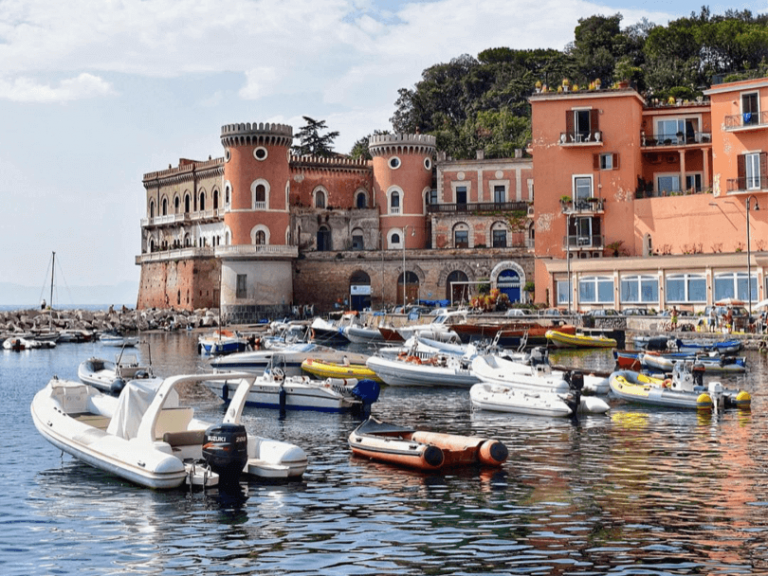
While Naples doesn’t have extensive beaches, there are a few spots within city limits where locals go for a quick swim on hot days. These aren’t destination beaches, but they’re convenient if you’re staying in the city and just want to cool off.
Bagno Elena (Posillipo) sits on the volcanic rocks below the Posillipo hill, offering one of the closest swimming spots to central Naples. It’s a stabilimento balneare (beach club) carved into the tuff rock with platforms, ladders into the sea, and facilities including a restaurant. The water is surprisingly clean thanks to the volcanic coastline, and the views of Vesuvius across the bay are spectacular. Expect to pay around €15-25 per person for a sunbed and umbrella. Getting there requires navigating steep paths down the cliff, so it’s not suitable for everyone.
Mappatella Beach is the closest thing Naples has to a public beach. Located in the Santa Lucia neighborhood near the city center, it’s basically a small strip of volcanic pebbles and concrete platforms where Neapolitans swim year-round. It’s completely free, always crowded in summer, and lacks facilities beyond a few beach kiosks. The water quality varies – after heavy rains, avoid it. But on most days, locals consider it acceptable for a quick dip. Don’t expect comfort or beauty; this is urban swimming at its most authentic.
Bagno Sirena and Bagno Rocce Verdi in the Bagnoli area offer more beach club experiences on the city’s western edge. The area has undergone significant environmental cleanup in recent years, and water quality has improved considerably. These spots attract more local families than tourists and offer a genuine slice of Neapolitan beach culture.
The reality is that most Neapolitans with beach plans leave the city entirely. If you have time for a real beach experience, skip these and head to the islands or coast. But if you’re stuck in the city on a blazing August day and need to swim, these options exist. For more hidden gems in Naples beyond beaches, check out our dedicated guide.
Cannabis Culture and Beach Etiquette

Planning a Cannabis-Friendly Beach Day?
Connect with our local community for real-time updates on the most relaxed beach spots, current conditions, and trusted connections before you head to the coast.
Let’s talk honestly about something many travelers wonder about: cannabis use at Italian beaches. The Bay of Naples area, like much of Italy, maintains a relatively relaxed attitude toward personal cannabis consumption, but beach settings require specific awareness of local customs and legal boundaries. If you’re looking for weed in Naples, understanding beach culture is essential.
Free Beaches vs. Private Lidos
On free beaches (spiaggia libera), the atmosphere is generally more permissive. As long as you’re discreet and not bothering other beachgoers, smoking a joint typically doesn’t attract problems. The key word is discretion – sitting away from families with children, keeping the smell contained, and maintaining respectful distance from others. Neapolitans follow an unwritten rule: your freedom ends where someone else’s comfort begins.
Many locals on beaches like Maronti in Ischia or the free sections of Procida’s Chiaia Beach smoke quietly without issue. The volcanic beaches and hidden coves particularly attract a crowd that’s cannabis-friendly. If you’re planning to enjoy some weed in Naples area beaches, choose spots with good spacing between groups, ideally toward the edges of the beach rather than in crowded central areas.
Private stabilimenti require more caution. These beach clubs maintain family-friendly atmospheres and staff may ask you to move if smoking creates complaints. The best approach? Walk away from the stabilimento area – perhaps to nearby rocks or to the waterline – for a discreet session. Many experienced travelers bring vaporizers rather than joints to minimize smell and visibility.
The Decorum Principle
Italian beach culture places high value on decoro pubblico (public decorum). This isn’t about legal restrictions as much as social expectations. Italians generally don’t care what you do in private, but public spaces demand a level of propriety. Think of it this way: if you’re being more obvious about smoking weed than Italians are about drinking wine (which they do constantly at beaches), you’re doing it wrong.
Beaches near Sorrento and along the Amalfi Coast tend toward more conservative attitudes given their upscale tourism. Weed in Capri particularly requires strict decorum. Conversely, the younger crowds on Procida’s beaches and Ischia’s less-developed southern coast create more permissive environments.
Practical Tips for Cannabis-Friendly Beach Days
Timing matters: Early morning and late afternoon beach sessions attract fewer families and create more relaxed atmospheres. The midday family rush (11am-4pm) is when you want to be most discreet.
Location selection: Rocky outcrops, far ends of beaches, and areas near beach bars (where tobacco smoking is common) provide better cover.
Preparation: Pre-rolled joints work better than rolling on the beach. Small, discrete vapes or edibles eliminate most concerns entirely. Remember that Italian cannabis laws remain restrictive even if enforcement is relaxed.
Finding supplies: If you’re looking for weed near Naples, plan ahead. Beach towns rarely offer good options for tourists. Most visitors connect through Naples’ cannabis community before heading to the coast – learn how to avoid scams when making connections.
The Islands: Naples’ Best Beach Destinations
🏝️ Island Beaches Compared
Ischia
- ✓ Largest beaches, most variety
- ✓ Thermal springs & warm sand
- ✓ Best for full beach days
- ✓ Moderate prices (€15-25)
- ⚠ Requires transport on island
Procida
- ✓ Most authentic atmosphere
- ✓ Best budget option (€10-15)
- ✓ Walkable island size
- ✓ Youngest, most relaxed crowd
- ⚠ Smaller beach spaces
Capri
- ✓ Most stunning water color
- ✓ Glamorous atmosphere
- ✓ Best for Instagram photos
- ⚠ Very expensive (€30-50+)
- ⚠ Limited actual beach space
The three islands in the Bay of Naples – Ischia, Procida, and Capri – offer the most accessible and spectacular beach experiences from the city. Each island has its own character and beach culture, from Ischia’s thermal beaches to Procida’s fishing village coves to Capri’s glamorous grottos.
Ischia: Volcanic Beaches and Thermal Waters
Ischia is the largest island in the Bay of Naples and the best choice for beach lovers. The volcanic island offers dozens of beaches ranging from long sandy stretches to hidden coves, many with naturally warm waters from underwater thermal springs. You can reach Ischia by ferry or hydrofoil from Naples’ port, with crossings taking 50-90 minutes depending on the service.
Maronti Beach is Ischia’s longest and arguably best beach – nearly 3 kilometers of dark volcanic sand on the island’s southern coast. The beach is backed by dramatic cliffs and accessed either by boat from Sant’Angelo or by a steep path. The sand stays naturally warm from underground thermal activity, and hot springs bubble up along certain sections where locals bury themselves in the sand for natural thermal therapy. The beach has several stabilimenti offering sunbeds and umbrellas (€15-20 per day), but plenty of free public sections exist. The water here is exceptionally clear, and the wave action tends to be minimal.
Citara Beach on Ischia’s western coast combines a beautiful sandy beach with the famous Poseidon Gardens thermal park. Even if you don’t pay to enter the thermal park (€35 per person), the public beach section offers excellent swimming and the unique experience of naturally warm seawater where thermal springs mix with the bay. The beach faces west, making it perfect for sunset sessions.
Sorgeto Bay isn’t technically a beach but one of Ischia’s most unique swimming experiences. You reach this tiny volcanic cove via 200+ steep steps from the village of Panza. Hot thermal water flows directly into the sea, creating natural hot pools among the rocks. It’s completely free, clothing-optional for many visitors, and especially magical at sunset. Bring water shoes as the rocks are sharp.
San Montano Bay on Ischia’s northern coast offers a protected crescent of sand with incredibly clear, calm water – perfect for families. The famous Negombo thermal park occupies much of the bay with thermal pools and gardens.
Getting around Ischia requires planning. The island has good bus service (€1.50 per ride, €5 day pass), but in peak summer the buses get packed. Many visitors rent scooters (€25-40 per day) to reach multiple beaches. Be aware of ZTL zones and driving restrictions if renting vehicles.
Procida: Authentic Fishing Village Beaches
Procida remains the least developed and most authentic of the three islands. Its beaches are smaller and less crowded than Ischia’s, with a distinctly local feel. You can reach Procida by ferry or hydrofoil from Naples (40-60 minutes).
Chiaia Beach is Procida’s largest and most accessible beach – a long curve of volcanic sand on the island’s southern coast. The beach sits below the colorful Terra Murata citadel, creating dramatic views. It’s partly free and partly organized into stabilimenti (€10-15 for sunbed and umbrella). This is where local families come, so expect authentic Neapolitan beach culture rather than international tourist scenes.
Pozzo Vecchio Beach (also called Il Postino Beach after the famous film) is a tiny cove on Procida’s western coast that few tourists find. You reach it via a steep path from the main road. The beach is maybe 50 meters of sand and smooth stones backed by colorful fishing boats. No facilities exist beyond a small beach bar, but the water is incredibly clear.
Procida works best as a full-day trip combining beach time with exploring the island’s incredible historic fishing villages – Corricella and Terra Murata are among Italy’s most photogenic corners.
Capri: Glamorous Swimming
Capri’s beaches are more about exclusive experiences than extensive sandy shores. The island’s dramatic cliffs plunging into impossibly blue water create stunning settings, but actual beach space is limited and often expensive.
Marina Piccola on Capri’s southern coast offers the island’s main beach area – two small pebble beaches backed by colorful beach clubs and the dramatic Faraglioni rock formations offshore. This is where Capri’s glamorous beach scene happens, with stabilimenti charging €25-50+ for sunbeds, but you can swim from public access points for free.
Bagni di Tiberio on the northern coast offers a more relaxed beach club experience set among Roman ruins. Emperor Tiberius built a villa here, and its ruins still dot the coastline. It’s less expensive than Marina Piccola (€15-25).
Capri’s beaches are undeniably beautiful, but the island’s high prices and heavy tourist crowds make it less ideal for a relaxed beach day compared to Ischia or Procida. For the full picture on cannabis culture in Capri, check our dedicated guide.
The Phlegraean Coast: Naples’ Most Relaxed Beach Scene
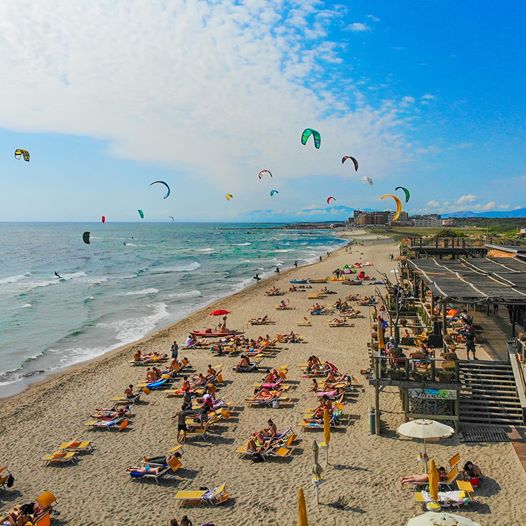
While most tourists rush to the islands or Amalfi Coast, savvy locals and in-the-know travelers head northwest to the Campi Flegrei coast – an area that combines volcanic geology, ancient history, and the most laid-back beach atmosphere in the Naples region. This stretch of coastline from Pozzuoli to Monte di Procida remains largely off the international tourist radar, creating space for a genuinely relaxed beach culture where discretion is the norm and nobody’s watching your business.
Lido Don Pablo and the Miliscola Strip
Lido Don Pablo – Miliscola
Lido Don Pablo has earned a reputation among Naples’ alternative crowd as one of the most cannabis-friendly beach establishments in the region. Located along the Miliscola beach strip in Bacoli, this stabilimento attracts a younger, more open-minded clientele who appreciate both good vibes and mutual respect for privacy.
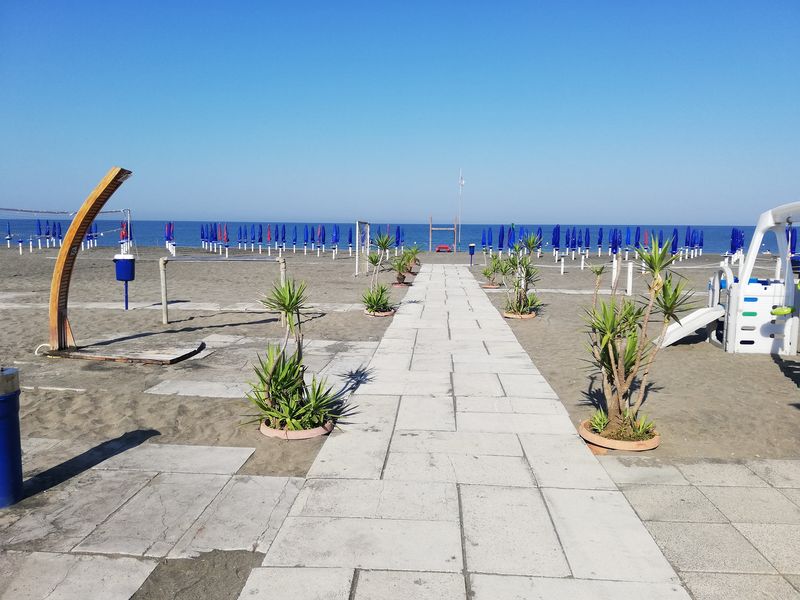
The beach club offers the standard Italian lido experience – sunbeds, umbrellas, bar service, and decent facilities – but with a distinctly more permissive atmosphere than you’ll find at family-oriented establishments elsewhere. The crowd skews toward 20s and 30s, with a mix of local Neapolitans escaping the city and travelers who’ve discovered this spot through word of mouth. Prices remain reasonable by Naples standards (€15-20 for a full day setup), and the long stretch of dark volcanic sand provides plenty of space even on busy summer weekends.
What makes Don Pablo special isn’t just the atmosphere – it’s the location. The Miliscola coastline sits on a narrow strip of land between the sea and Lake Miseno, creating unique geography where afternoon breezes keep temperatures comfortable even in August. The shallow water and gentle waves make swimming pleasant, and the views toward Procida and Ischia remind you that you’re still in one of Italy’s most beautiful bays.
For those looking for weed in Naples area beaches, this stretch represents the path of least resistance. The young local crowd, relaxed staff, and spacious beach layout create conditions where discrete consumption simply doesn’t attract attention. The unwritten rule applies here as everywhere in Italy – keep it low-key, don’t impose on others, and nobody cares what you’re doing.
Torregaveta and Capo Miseno
Just west of Miliscola, Torregaveta marks the end of the Cumana railway line and offers direct beach access without needing a car. The beach here mixes free public sections with small family-run stabilimenti that feel worlds away from the polished operations on the Amalfi Coast. This is where working-class Neapolitan families have come for generations – unpretentious, affordable, and genuinely local.
The Capo Miseno peninsula beyond Torregaveta offers more adventurous options. The cape was ancient Rome’s primary naval base, and you can still see remains of military installations mixed with the volcanic landscape. Several small beaches dot the cape’s coastline, most accessible only by scrambling down rocky paths. These hidden coves see few visitors and offer privacy that’s increasingly rare along developed coastlines.
Monte di Procida sits at the peninsula’s tip, offering dramatic clifftop views and access to small beaches via steep staircases. The town maintains an authentic fishing village character despite growing tourism interest. The beaches here – particularly Acquamorta – attract a crowd that values tranquility over amenities.
Why the Phlegraean Coast Works for Cannabis-Friendly Travelers
Planning a Cannabis-Friendly Beach Day?
Connect with our local community for real-time updates on the most relaxed beach spots, current conditions, and trusted connections before you head to the coast.
Several factors combine to make this coastline more relaxed than other Naples beach areas:
Demographics: The Campi Flegrei area maintains strong working-class roots. The beach crowd reflects this – less concerned with appearances, more focused on enjoying simple pleasures. The “mind your own business” attitude runs deep here.
Geography: The coastline’s numerous small beaches, rocky coves, and volcanic formations create natural privacy. You’re never packed sardine-style the way you might be at Positano or even Procida’s main beaches.
Distance from tourist centers: International tourists rarely venture this direction, meaning the enforcement attention that sometimes follows tourist areas doesn’t apply.
Accessibility: The Cumana train from Naples’ Montesanto station reaches this coastline in 30-40 minutes, with stops at Lucrino, Baia, and Torregaveta providing direct beach access.
Combining with Archaeology
The Campi Flegrei area contains some of Italy’s most important Roman ruins, including the Flavian Amphitheater in Pozzuoli (third largest in the Roman world), the underwater archaeological park at Baia, and the Sibyl’s Cave at Cumae. A perfect day combines morning archaeological exploration with afternoon beach relaxation.
Sorrento Peninsula and Amalfi Coast
The Amalfi Coast offers Italy’s most spectacular beach scenery – dramatic cliffs dropping into turquoise water, colorful villages cascading down hillsides, and hidden coves accessible only by boat. But the reality requires managing expectations: beaches here are often small, extremely crowded in summer, and expensive. For exploring cannabis culture in this region, check our guides to weed in Sorrento and cannabis on the Amalfi Coast.
Sorrento Area Beaches
Bagni della Regina Giovanna is a stunning natural pool carved into the rocks at the ruins of an ancient Roman villa. You reach it via a scenic 40-minute walk from Sorrento center, or take the local bus to Capo di Sorrento. The “beach” is actually a natural swimming hole protected by rocks with incredibly clear water. It’s free, magical, and gets packed in summer – arrive before 10am or after 4pm.
Meta di Sorrento and Vico Equense beaches east of Sorrento offer longer stretches with more space than Sorrento proper. These beaches feel more local and less touristy, with reasonable stabilimento prices (€10-20).
Amalfi Coast Highlights
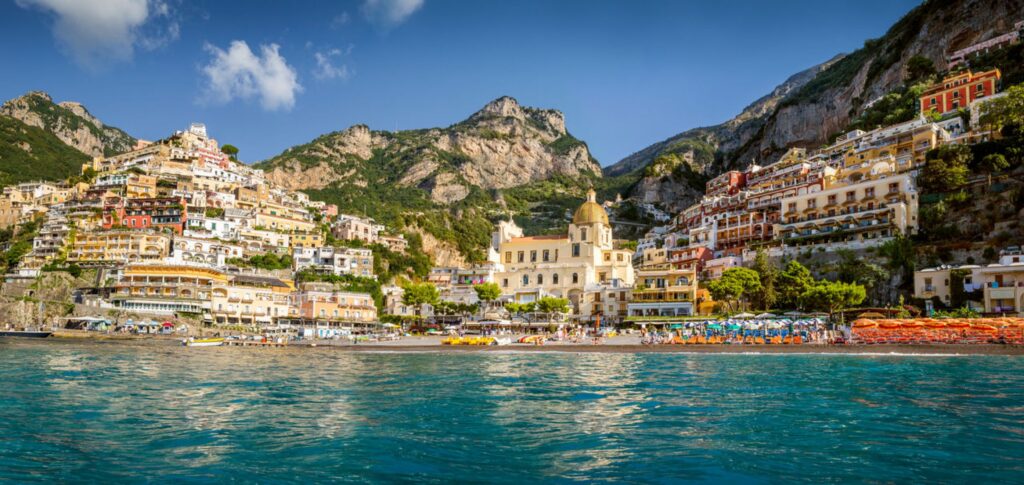
Fornillo Beach (Positano) is slightly less crowded than Positano’s main beach and offers the same spectacular setting. The pebble beach can be uncomfortable, so bring beach shoes.
Marina di Praia near Praiano is considered one of the Amalfi Coast’s hidden gems. The beach sits in a narrow inlet between high cliffs, reachable via 400 steps from the coastal road.
Fiordo di Furore is one of the coast’s most dramatic swimming spots – a tiny beach at the bottom of a deep fjord-like inlet. It’s completely free and rarely crowded because most tourists photograph the fjord from above without realizing you can swim down below.
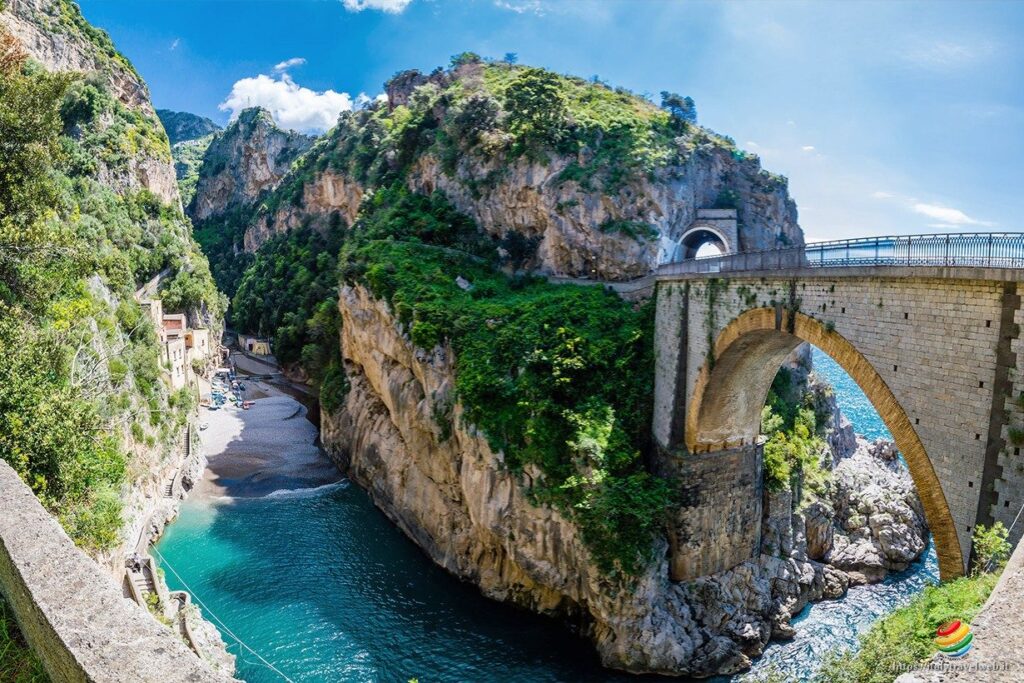
Maiori and Minori beaches offer the Amalfi Coast’s longest stretches of sand – Maiori has nearly a kilometer of beach compared to other towns’ tiny coves. These feel more practical and less exclusive than Positano.
Reaching Amalfi Coast beaches requires planning. In summer, the coastal road becomes a nightmare. The SITA bus from Sorrento works but gets extremely crowded. Many visitors book boat tours (€40-80) that stop at multiple beaches.
Hidden Gems and Alternative Beaches
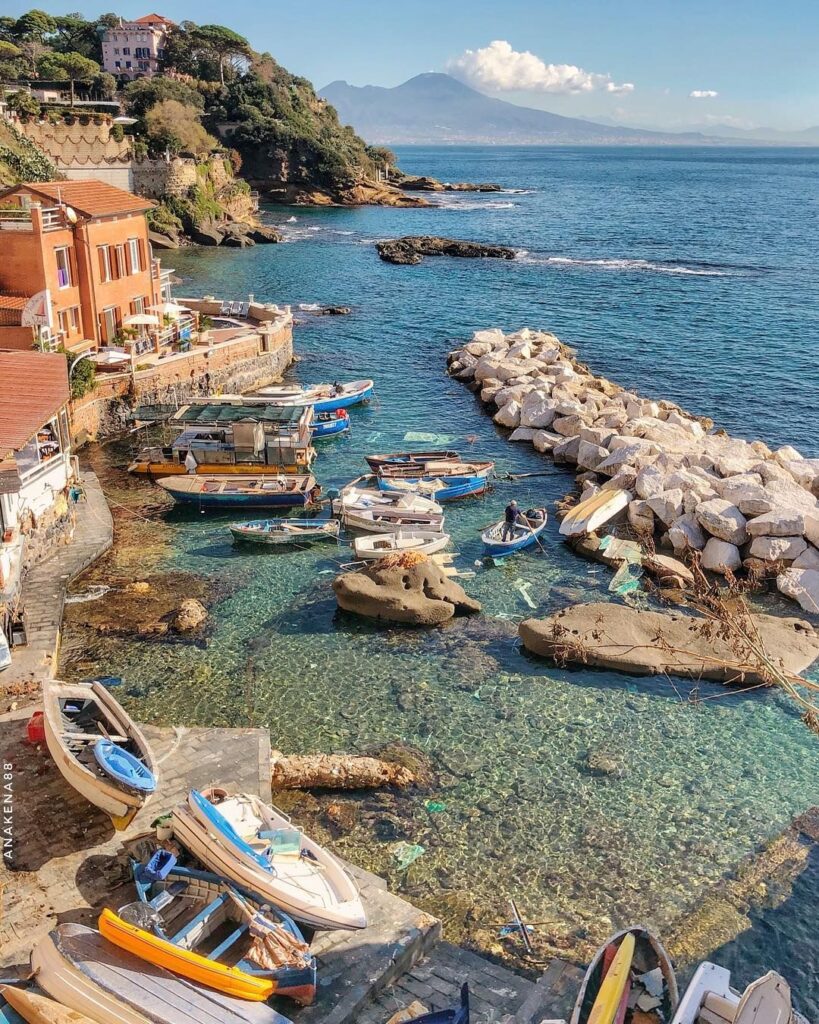
Beyond the famous destinations, several lesser-known beaches near Naples offer beautiful swimming without the crowds.
Miliscola Beach in the Pozzuoli area offers a long sandy beach with shallow, calm water perfect for families. This beach sees mostly local families rather than tourists. Free public sections mix with affordable stabilimenti (€10-15). Take the Cumana train to Lucrino station.
Miseno Beach sits at the end of the Pozzuoli peninsula with views of Procida and Ischia. The beach combines sand and smooth pebbles with remarkably clear water. It’s completely free with no facilities beyond a few beach bars.
Baia Archaeological Park beaches offer the unique experience of swimming among submerged Roman ruins. The ancient Roman town of Baia partially sank due to volcanic activity, creating an underwater archaeological site. You can book snorkeling tours (€35-45) that let you swim over submerged mosaics and villa remains.
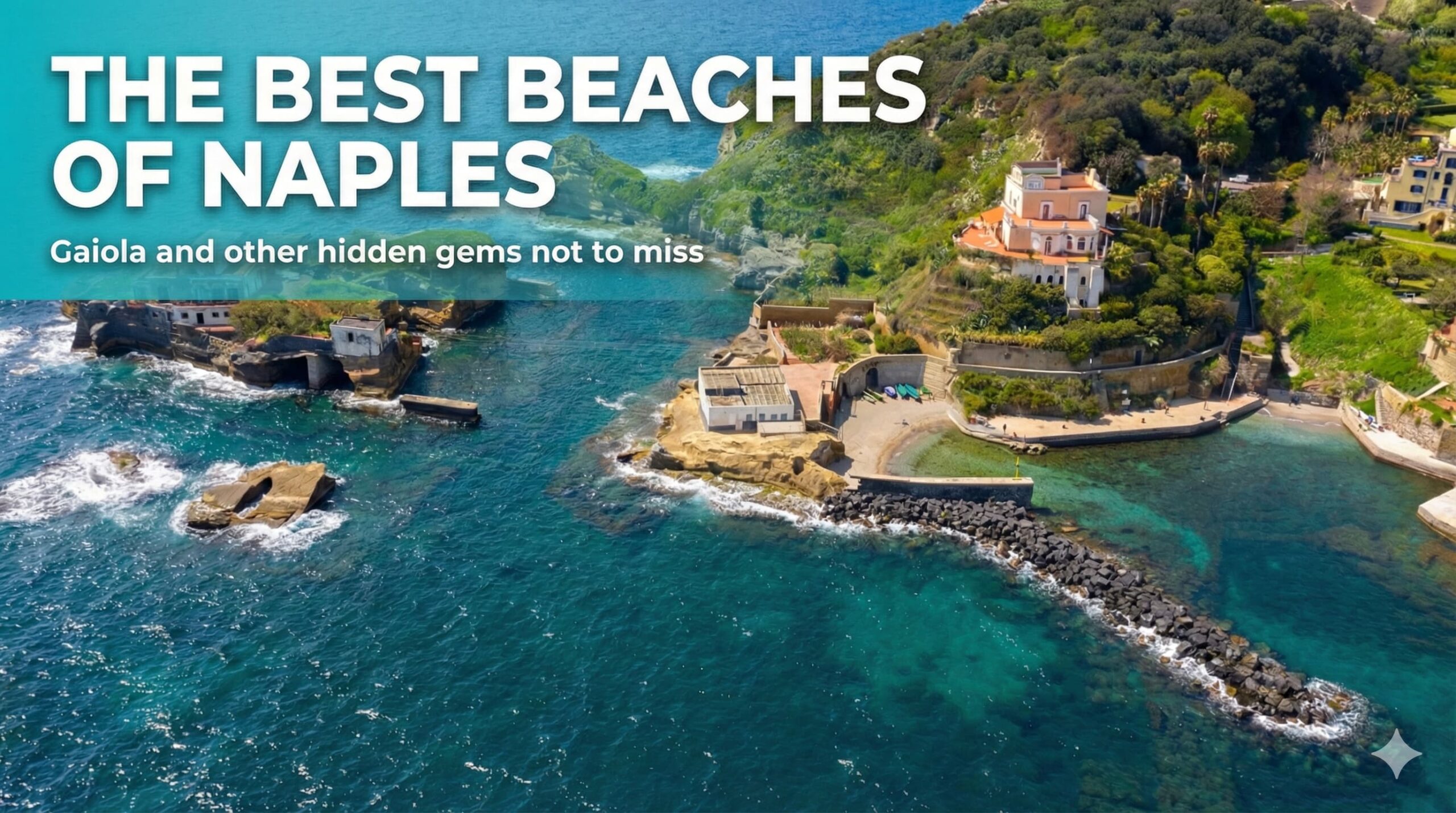
Gaiola Island in Posillipo offers one of Naples’ most special swimming experiences. The tiny island and surrounding marine protected area have exceptionally clear water. Free swimming is allowed in designated areas (reservation required May-September).
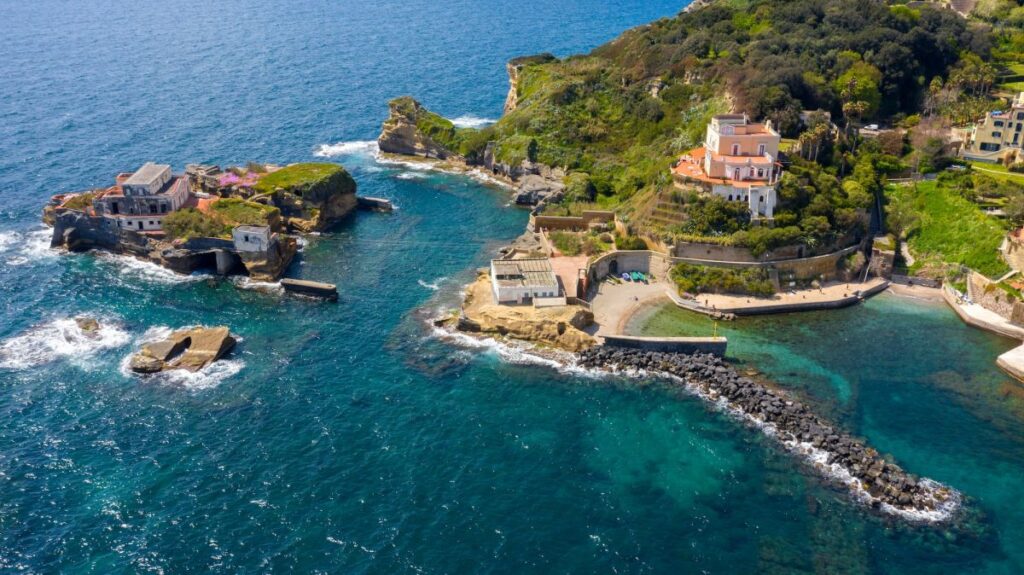
Ieranto Bay at the tip of the Sorrento Peninsula is accessible only by a scenic 45-minute hike from Nerano. The protected bay offers pristine conditions with no development. It’s completely free and rarely crowded because of the hike.
Practical Beach Information
Connect with Italian Cannabis Experts
Join our Telegram communities for real-time beach updates, insider tips, and trusted local connections

Stabilimenti Balneari vs. Free Beaches
Most Italian beaches operate under the stabilimento system – private beach clubs that charge for access. Prices range from €10-15 at local beaches to €50+ at exclusive Capri or Positano establishments. These usually include a sunbed (lettino), umbrella (ombrellone), changing rooms, and showers.
Italian law requires that a portion of every beach remain free public access (spiaggia libera), but these sections are often small and crowded. Arriving early (before 10am) is essential.
Best Times to Visit
Summer (June-August) offers the warmest water (24-27°C) and guaranteed sunshine, but beaches get extremely crowded, especially in August. If visiting in peak summer, arrive before 10am and consider weekdays.
Shoulder Season (May and September) provides the ideal balance – warm enough for comfortable swimming (20-24°C), fewer crowds, and lower prices. These months offer the best beach experience near Naples.
October can still work for brave swimmers willing to deal with 20°C water. Crowds vanish completely.
What to Bring
Italian beaches provide less than you might expect:
Beach shoes or water sandals – Many beaches are pebbles or rough volcanic rock.
Towel – Some stabilimenti provide towels, but many don’t.
Water and snacks – Beach bars charge high prices.
Sun protection – The Mediterranean sun is intense. High-SPF sunscreen, hat, and sunglasses are essential.
Cash – Many beach clubs don’t accept cards.
Mask and snorkel – The volcanic coastline offers excellent snorkeling.
Safety and Etiquette
Jellyfish appear periodically, especially in late summer. Beach flags indicate presence.
Sea urchins colonize many rocky areas. Watch where you step.
Topless sunbathing is normal and widely accepted. Full nudity is technically illegal except at designated naturist beaches but tolerated at remote spots.
Music should be kept low. Loud speakers annoy Italians who prefer the sound of waves.
Beach Day Combinations
Ischia Beach + Thermal Gardens – Combine a morning at Maronti Beach with an afternoon at Poseidon Gardens thermal park.
Procida Beach + Village Exploration – Spend morning at Chiaia Beach, have lunch in Corricella, explore Terra Murata, then return for sunset.
Sorrento + Amalfi Coast Boat Tour – Book a boat tour that stops at Positano, Amalfi, and swimming spots along the coast.
Archaeological Coast – Combine morning at Herculaneum ruins with afternoon at Miseno or Baia beaches.
Naples Street Food + Urban Swimming – Spend morning exploring Naples’ street food scene on Via dei Tribunali, then cool off at Bagno Elena in late afternoon.
Best Beach for Different Travelers
Best Family Beach – San Montano Bay (Ischia) for calm, shallow water, or Maiori Beach (Amalfi Coast) for space.
Best Budget Beach – Miliscola Beach for free access near Naples, or Chiaia Beach (Procida) for inexpensive stabilimenti.
Best Cannabis-Friendly Beach – Lido Don Pablo (Miliscola) for relaxed atmosphere and young crowd.
Best Swimming Quality – Ieranto Bay for pristine protected water, or Gaiola Island for crystal-clear visibility.
Best Romantic Beach – Sorgeto Bay (Ischia) for sunset thermal pools.
Best Party Beach – Chiaia Beach (Procida) for young Italian energy.
Best Beach for Solitude – Miseno Beach on weekday mornings, or hike to Ieranto Bay.
Making Your Beach Choice
With so many options, consider these factors:
Travel Time – If you only have a few hours, stick to closer options like Gaiola or Posillipo. For a full beach day, the extra travel to Ischia or Procida pays off.
Budget – Stabilimenti range from €10 (Procida, local spots) to €50+ (Capri, Positano). Free beaches exist everywhere but require arriving early.
Swimming Priority – If swimming quality matters most, choose protected areas like Ieranto Bay or Ischia’s southern coast.
Energy Level – Accessible beaches like Maronti or Maiori work for relaxed days. Hidden gems like Ieranto Bay reward the energetic.
The best strategy? Visit several beaches during your Naples stay. Start with an easy option like Procida to understand Italian beach culture, then graduate to more ambitious adventures. Each beach offers something different – thermal waters, dramatic cliffs, fishing village charm, or exclusive glamour.
Naples’ beaches might require more effort than simply walking out your hotel door, but that journey filters crowds and preserves authenticity. Whether you’re soaking in thermal pools carved into Ischian rocks, swimming through the blue water of Capri, or claiming your space on the relaxed shores of Lido Don Pablo, the beaches near Naples deliver genuine Italian coastal experiences that justify every ferry ride and bus journey.
The region’s cannabis-friendly attitude adds another layer of enjoyment for those who appreciate it – just remember that discretion and respect for others remain paramount. For everything you need to know about weed in Italy, explore our comprehensive guides before your trip.
Planning your Naples beach adventure and want insider tips on the best spots, current conditions, and local connections? Our community of Italy travelers and Naples locals is ready to help with real-time beach recommendations, weather updates, and the kind of authentic advice that helps you experience the coast like a true Neapolitan.
Connect with Italian Cannabis Experts
Join our Telegram communities for real-time beach updates, insider tips, and trusted local connections
Frequently Asked Questions
Are there nude beaches near Naples? While Italy doesn’t have many official nudist beaches, several spots in the Naples area are clothing-optional in practice. Sorgeto Bay in Ischia is the most famous, where the remote location and thermal pools attract visitors who prefer swimming au naturel. The far ends of Maronti Beach and some hidden coves on Capo Miseno also see nude sunbathing without issue. Full nudity is technically illegal on Italian beaches, but at these remote spots, nobody enforces it.
What’s the best beach near Naples for families? San Montano Bay in Ischia offers the perfect family beach experience – shallow, calm water that stays warm, soft sand, and facilities including the Negombo thermal park with pools suitable for children. On the mainland, Miliscola Beach provides shallow water and a relaxed local atmosphere at much lower prices. Maiori on the Amalfi Coast offers the rare combination of actual sandy beach space with family-friendly amenities.
Can you smoke weed on Italian beaches? Cannabis remains illegal in Italy, but enforcement on beaches is generally minimal for small personal amounts consumed discreetly. The key is discretion – staying away from families, keeping sessions brief, and using the edges of beaches rather than crowded central areas. The Phlegraean coast beaches like Lido Don Pablo have the most relaxed atmosphere. Private beach clubs (stabilimenti) require more caution than free beaches. Vaporizers attract less attention than joints.
How much do beach clubs cost near Naples? Prices vary significantly by location. Local beaches like Miliscola or Procida’s Chiaia Beach charge €10-15 for a sunbed and umbrella. Ischia’s beaches typically run €15-25. Sorrento area beaches cost €20-30. The Amalfi Coast ranges from €25-40 at most spots. Capri’s exclusive beach clubs can charge €50-100 for premium spots with service.
When is the best time to visit Naples beaches? September offers the ideal combination – water temperatures peak at 25-27°C after heating all summer, tourist crowds diminish after Italian schools resume, and prices drop at many establishments. May and early June provide pleasant conditions with minimal crowds. July and August guarantee sunshine but bring massive crowds and premium prices. Avoid the week of Ferragosto (August 15) when every Italian heads to the coast.
How do I get to the beaches from Naples? For the islands, ferries and hydrofoils depart from Molo Beverello and Porta di Massa in Naples’ port area. Hydrofoils to Procida take 40 minutes (€15-20), to Ischia 50-70 minutes (€20-25), and to Capri 50 minutes (€25-30). For the Phlegraean coast, take the Cumana train from Montesanto station. For the Amalfi Coast, take the Circumvesuviana train to Sorrento, then SITA buses along the coast.
Are Naples beaches safe? Yes, Naples area beaches are generally very safe. The main considerations are practical rather than security-related: watch for sea urchins on rocky beaches, respect flag warnings for jellyfish or rough water, protect valuables at crowded free beaches, and stay hydrated in the intense Mediterranean sun. The safety concerns some tourists have about Naples itself don’t apply to the beach areas, which tend to be peaceful family destinations.
What should I bring to Italian beaches? Essential items include: water shoes (many beaches are rocky or have sea urchins), reef-safe sunscreen with high SPF, a large towel (many stabilimenti don’t provide them), cash (many beach clubs don’t accept cards), water and snacks (beach bar prices are high), and a mask/snorkel to enjoy the excellent underwater visibility. If planning to rent from a stabilimento, reserve in advance during peak summer.
❓ Frequently Asked Questions
While Italy doesn’t have many official nudist beaches, several spots in the Naples area are clothing-optional in practice. Sorgeto Bay in Ischia is the most famous, where the remote location and thermal pools attract visitors who prefer swimming au naturel. The far ends of Maronti Beach and some hidden coves on Capo Miseno also see nude sunbathing without issue. Full nudity is technically illegal on Italian beaches, but at these remote spots, nobody enforces it.
San Montano Bay in Ischia offers the perfect family beach experience – shallow, calm water that stays warm, soft sand, and facilities including the Negombo thermal park with pools suitable for children. On the mainland, Miliscola Beach provides shallow water and a relaxed local atmosphere at much lower prices. Maiori on the Amalfi Coast offers the rare combination of actual sandy beach space with family-friendly amenities.
Cannabis remains illegal in Italy, but enforcement on beaches is generally minimal for small personal amounts consumed discreetly. The key is discretion – staying away from families, keeping sessions brief, and using the edges of beaches rather than crowded central areas. The Phlegraean coast beaches like Lido Don Pablo have the most relaxed atmosphere. Private beach clubs (stabilimenti) require more caution than free beaches. Vaporizers attract less attention than joints.
Prices vary significantly by location. Local beaches like Miliscola or Procida’s Chiaia Beach charge €10-15 for a sunbed and umbrella. Ischia’s beaches typically run €15-25. Sorrento area beaches cost €20-30. The Amalfi Coast ranges from €25-40 at most spots. Capri’s exclusive beach clubs can charge €50-100 for premium spots with service.
September offers the ideal combination – water temperatures peak at 25-27°C after heating all summer, tourist crowds diminish after Italian schools resume, and prices drop at many establishments. May and early June provide pleasant conditions with minimal crowds. July and August guarantee sunshine but bring massive crowds and premium prices. Avoid the week of Ferragosto (August 15) when every Italian heads to the coast.
For the islands, ferries and hydrofoils depart from Molo Beverello and Porta di Massa in Naples’ port area. Hydrofoils to Procida take 40 minutes (€15-20), to Ischia 50-70 minutes (€20-25), and to Capri 50 minutes (€25-30). For the Phlegraean coast, take the Cumana train from Montesanto station. For the Amalfi Coast, take the Circumvesuviana train to Sorrento, then SITA buses along the coast.
Yes, Naples area beaches are generally very safe. The main considerations are practical rather than security-related: watch for sea urchins on rocky beaches, respect flag warnings for jellyfish or rough water, protect valuables at crowded free beaches, and stay hydrated in the intense Mediterranean sun. The safety concerns some tourists have about Naples itself don’t apply to the beach areas, which tend to be peaceful family destinations.
Essential items include: water shoes (many beaches are rocky or have sea urchins), reef-safe sunscreen with high SPF, a large towel (many stabilimenti don’t provide them), cash (many beach clubs don’t accept cards), water and snacks (beach bar prices are high), and a mask/snorkel to enjoy the excellent underwater visibility. If planning to rent from a stabilimento, reserve in advance during peak summer.
This guide was last updated January 2026. Beach conditions, prices, and ferry schedules change seasonally – always verify current information before planning your trip.
Leave a Reply